
I’ve stood at that rental counter too, staring at a clerk pushing a $30-per-day collision damage waiver while wondering if my Chase card already covers it. It’s stressful. You’re tired, the line behind you is long, and one wrong click could cost you hundreds. The big question here is simple: does Chase cover rental car insurance, and if so, on which card and how much?
Yes. Many Chase credit cards offer auto rental collision damage waiver coverage. To get this, pay for the rental with your card and decline the rental company’s waiver.
Below, you’ll get card-by-card details, a step-by-step counter script, a clear claims checklist, and the exact exclusions to watch before you drive off the lot.
Key Takeaways
This guide explains which Chase credit cards cover rental car insurance, including coverage limits by card, the difference between primary and secondary coverage, activation steps, exclusions, and the claims filing process.
Core Facts:
- Four Chase card families offer rental coverage: Freedom Unlimited and Freedom Flex (secondary, up to $60,000), Sapphire Preferred (primary, actual cash value), Sapphire Reserve (primary, up to $75,000), and Ink Business cards (primary, actual cash value).
- Primary coverage pays the rental company directly without involving your personal auto insurer, while secondary coverage requires filing with your own insurer first before Chase covers the remainder.
- To activate coverage, pay the full rental with an eligible Chase card, decline the rental company’s collision damage waiver, and confirm you are listed as the primary driver.
- Coverage applies only to rentals of 31 consecutive days or less on the same rental agreement.
- Excluded vehicles include exotic and antique cars, vans with 12 or more passenger seats, motorcycles, limousines, and peer-to-peer rentals like Turo.
- Claims must be opened with Assurant within 60 days of the incident, with all supporting documents submitted within 100 days.
Best for:
- Travelers deciding which Chase card to use for an upcoming rental based on coverage limits and vehicle type.
- Cardholders who want to avoid paying for a rental company’s collision damage waiver at the counter.
- Anyone who needs to file a rental car damage or theft claim and wants to know the required documents and deadlines.
Which Chase Credit Cards Include Rental Car Insurance
Not every Chase card comes with this benefit. It’s a card-specific perk, so pulling any Chase card from your wallet won’t always work. Chase debit cards and some starter credit cards are not eligible, and using them at the counter leaves you fully exposed to repair costs.
Four main card families offer this benefit today. Each has its own coverage type, dollar cap, and set of rules. Picking the right one before you swipe can save you a lot of money if something goes wrong.
Here’s a quick side-by-side look at the four families:
| Chase Card Family | Coverage Type | Coverage Limit | Best For |
|---|---|---|---|
| Freedom Unlimited / Freedom Flex | Secondary | Up to $60,000 (or ACV) | Domestic short trips |
| Sapphire Preferred | Primary | Actual cash value | Regular travelers |
| Sapphire Reserve | Primary | Up to $75,000 | High-value or exotic rentals |
| Ink Business Unlimited / Cash | Primary | Actual cash value | Business or international trips |
Chase Freedom Unlimited and Freedom Flex
The Freedom cards are Chase’s no-annual-fee cash back cards, and they do include auto rental coverage. The catch is that it’s secondary, not primary. That means it kicks in only after your personal auto insurance pays out first if you have one.
Key terms to know:
- Coverage is up to $60,000 or the vehicle’s actual cash value, whichever is lower.
- Rentals must be 31 consecutive days or less.
- You must decline the rental company’s collision damage waiver at the counter.
- The full rental charge must be billed to the Freedom card.
If you don’t have a car or a personal auto policy, the Freedom card’s secondary coverage often works like primary coverage. This is because there’s no other policy to pay first.
Chase Sapphire Preferred
The Chase Sapphire Preferred offers primary coverage, which is a big step up from the Freedom lineup. You do not need to file with your own auto insurer first, and that alone can protect your personal premiums from rising.
Highlights:
- Primary coverage up to the actual cash value of most rentals.
- Works when you pay with the card or with Ultimate Rewards points booked through Chase Travel.
- Same 31-day consecutive rental cap.
- Covers theft and collision, plus reasonable loss-of-use and towing costs.
For most casual travelers, this card hits the sweet spot. It’s the middle ground between the free Freedom cards and the higher-tier Sapphire Reserve.
Chase Sapphire Reserve
The Chase Sapphire Reserve is Chase’s strongest consumer card for rental protection. It has the highest coverage cap and the fewest vehicle restrictions.
What sets it apart:
- Primary coverage up to $75,000 per rental.
- Fewer exotic and high-value vehicle exclusions than other Chase cards.
- Valid in many countries other issuers skip, including Ireland, Israel, and Jamaica.
- Same 31-day consecutive rental limit applies.
If you’re renting a luxury SUV, a convertible on vacation, or driving in a country with tricky rules, this card gives you the widest safety net.
Chase Ink Business Cards
Business owners and self-employed pros can lean on the Chase Ink Business family for rental coverage. Cards like Ink Business Unlimited, Ink Business Cash, and Ink Business Preferred include auto rental protection with a business-focused setup.
What to expect:
- Primary coverage up to the vehicle’s actual cash value.
- The rental generally must be for a business purpose or an international trip.
- Personal use rentals may fall back to secondary coverage rules.
- Same 31 consecutive day cap applies.
Michael, a freelance graphic designer at a small studio, uses his Ink Business Cash to rent cars for client site visits. His rentals stay covered under primary terms as long as the trip is tied to work.
Primary vs. Secondary Coverage: Why It Matters
The difference between primary coverage and secondary coverage isn’t just paperwork. It changes who pays first, how fast you get reimbursed, and whether your personal auto premiums go up next year.
Primary coverage means the card’s insurance pays first, straight to the rental company. You don’t touch your own auto policy at all. That keeps your personal claim history clean, which matters because a single at-fault claim can raise your premium for years.
Secondary coverage means your personal auto insurer pays first. The Chase card only covers what’s left over, like your deductible or amounts above your policy’s cap. You’ll still file with your own insurer, and that filing can trigger a rate hike.
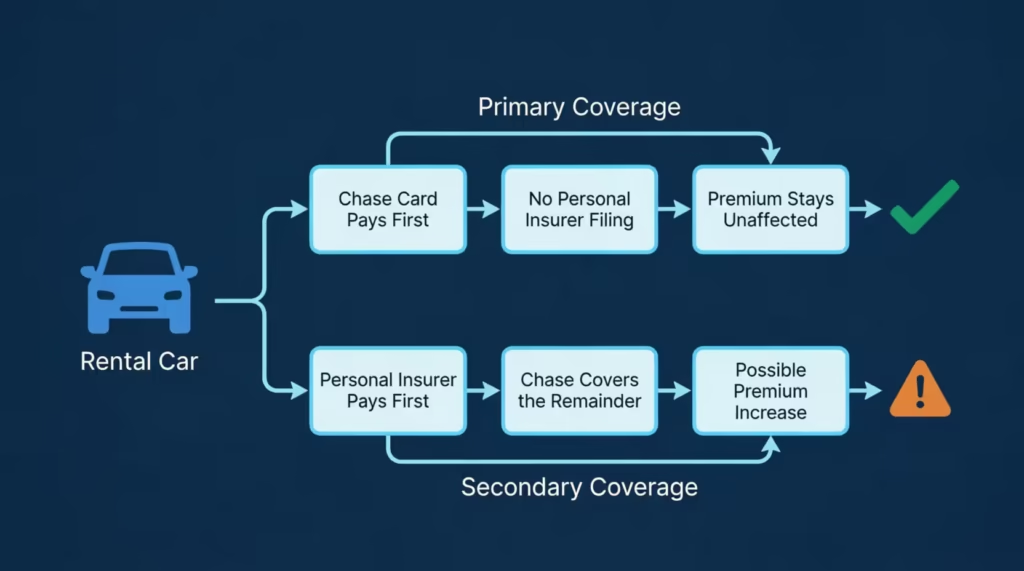
Here’s a real-world walkthrough:
Jennifer, a marketing manager, rents a compact SUV. Someone rear-ends her, causing $8,400 in damage.
- With Sapphire Reserve (primary): Chase’s insurer pays the full $8,400. Jennifer’s Geico policy never hears about it. Her premium doesn’t budge.
- With Freedom Flex (secondary): Jennifer files with Geico first. Geico pays after her $1,000 deductible. Freedom Flex reimburses that deductible plus loss-of-use. But Geico logs the claim, and her premium jumps roughly 12% at renewal, costing her hundreds over the next few years.
The takeaway is clear. If two Chase cards can cover the same trip, the one with primary coverage almost always wins.
💡 Pro Tip: If you rent even twice a year, the annual fee on a card with primary coverage can pay for itself the first time you avoid a claim on your personal policy.
How to Activate Your Chase Rental Car Coverage
Coverage isn’t automatic just because you booked with a Chase card. You have to take specific steps at the counter, or you can accidentally void the benefit. Here’s a plain checklist to follow every time:
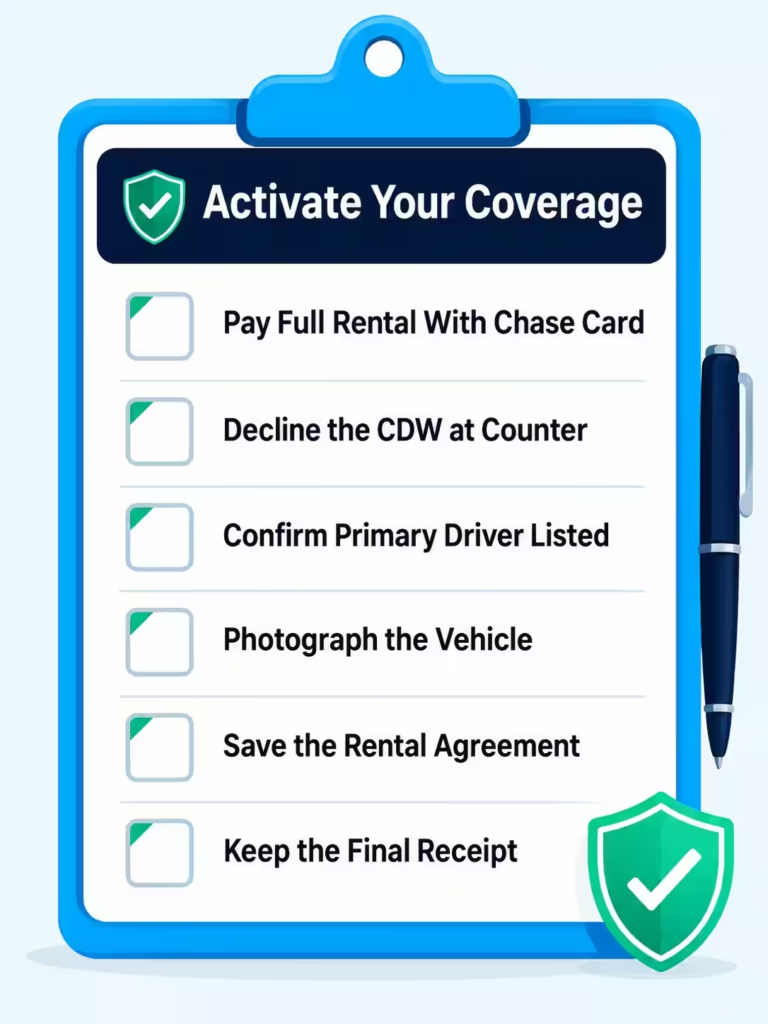
- Reserve and pay for the entire rental using your eligible Chase card. No mixing with a non-Chase card.
- Decline the rental company’s collision damage waiver (CDW/LDW) on the printed contract. Look for the line and initial “decline.”
- Confirm you’re the primary driver listed on the rental agreement. Only the cardholder and listed additional drivers are covered.
- Inspect the vehicle before you drive off. Take date-stamped photos of every panel, the roof, the wheels, and the interior.
- Save the rental agreement as a PDF or paper copy. You’ll need it if you file a claim later.
- Keep the final itemized receipt when you return the car, even if there’s no damage.
⚠️ Mistake to Avoid: Never let a spouse or friend drive who isn’t listed on the rental contract. If they crash, the auto rental collision damage waiver benefit can be denied for the whole rental.
Paying With Points or a Combination of Card and Points
You can still get coverage when redeeming Ultimate Rewards points, as long as you book through Chase Travel. Full point payments qualify, and so do “cash plus points” combos billed to the same eligible Chase card.
What breaks coverage is running any part of the rental charge on a different, non-eligible card. If the rental company splits your bill between two cards for any reason, the coverage may not apply. Ask the agent to keep everything on the single Chase card that carries the benefit.
What’s Actually Covered
Chase’s rental car benefit is officially called the auto rental collision damage waiver. It’s designed to reimburse damage to the rental car itself, not much else. Knowing what’s covered helps you avoid surprises after an incident.
Covered items typically include:
- Collision damage to the rental vehicle from a crash, hitting a curb, or a parking lot dent.
- Theft of the vehicle, including attempts that damage the car.
- Loss-of-use charges the rental company bills while the car is being repaired.
- Administrative and towing fees the rental company charges to process the damage.
- Actual cash value reimbursement if the car is a total loss, up to the card’s limit.
Coverage extends to authorized additional drivers who are listed on the rental agreement. Anyone driving off-contract isn’t covered, so double-check the paperwork before handing over the keys.
What’s Not Covered: Exclusions to Know Before You Rent
The waiver has real limits. Reading them before you book can save you from a denied claim later. Chase groups exclusions into three broad buckets: vehicle type, geography, and rental length or use.
Excluded Vehicle Types
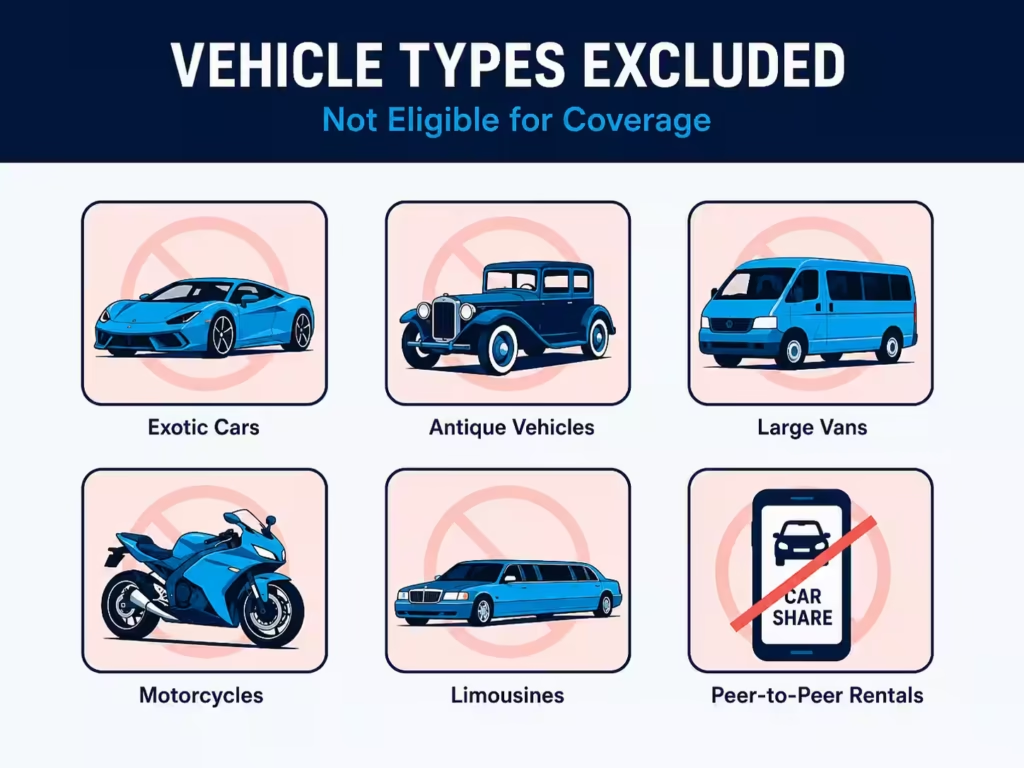
Not every set of wheels qualifies. The following are usually excluded:
- Exotic and high-value cars like Ferraris, Lamborghinis, Aston Martins, and most Porsches (the Sapphire Reserve has looser rules here).
- Antique or classic vehicles, generally over 20 years old or out of production for 10+ years.
- Vans built to carry 12 or more passengers.
- Motorcycles, mopeds, and motorbikes.
- Limousines and cargo trucks.
- Peer-to-peer rentals through services like Turo and Getaround. These are excluded entirely, even on the Sapphire Reserve.
Excluded Countries and Locations
Coverage is valid in most countries, but a few are off-limits due to local law or insurer rules. Common exclusions across issuers include Ireland, Israel, Jamaica, and parts of the Caribbean.
The Sapphire cards are known for covering some of these countries where competitors say no, so check your card’s specific benefits guide before flying. Rentals in your state of residence may also have quirks, especially in New York and a few others where state law limits how private waivers work.
Rental Length and Usage Restrictions
The clock is a big deal. Coverage caps out at 31 consecutive days on the same rental agreement. Renting a car for 45 days straight, even on the same contract, voids coverage for the entire trip. The workaround is to return the car on day 30, then start a fresh rental agreement.
Ink business cards have an extra rule: the rental must be for business or the trip has to be international for full primary coverage to count.
📌 Did You Know: Many claim denials happen because a traveler simply extended the same rental past 31 days without realizing they crossed the cutoff.
What Chase Rental Car Insurance Does Not Cover: Liability
This is the most misunderstood part of the entire benefit. The Chase collision damage waiver covers the rental car itself. It does not cover liability, meaning it won’t pay for injuries or damages you cause to other people or their property.
Here’s what liability means in plain terms:
- Injuries to the renter, passengers, or third parties are not paid.
- Damage to other vehicles you hit is not paid.
- Damage to buildings, fences, or property you strike is not paid.
- Medical bills for anyone involved are not paid.
That gap can be huge. A serious accident can trigger claims worth six or seven figures against you personally. To fill the gap, check your personal auto insurance policy first. Most standard policies extend liability limits to short-term rentals.
If you don’t own a car, ask your insurer about a non-owner policy, or buy the rental company’s supplemental liability insurance for the trip. Umbrella policies from providers like Progressive can also add another layer of protection for higher net worth renters.
What to Do If Your Rental Car Is Damaged or Stolen
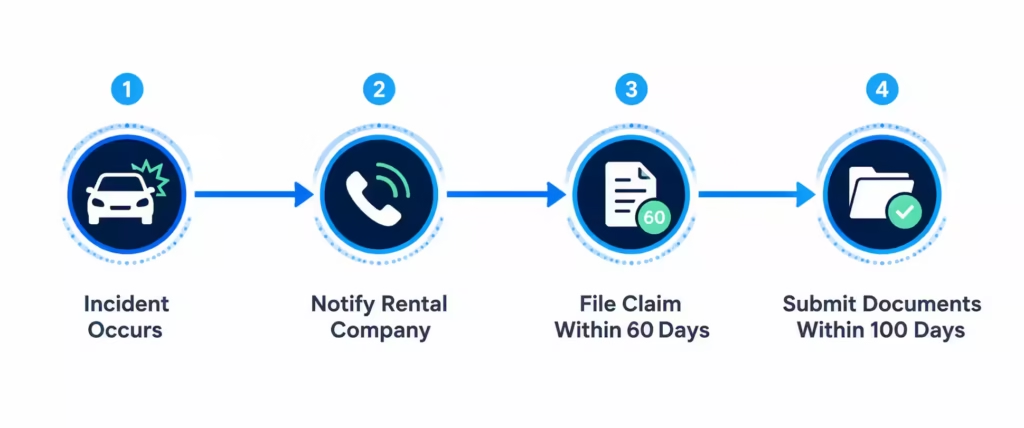
Speed and paperwork matter more than anything else after an incident. Missing a step, or filing late, is one of the top reasons claims get denied. Follow this checklist in order.
Right after the incident:
- Move to safety and check for injuries. Call 911 if anyone is hurt.
- Call the police and request an official report, even for minor damage. Many rental companies require it.
- Notify the rental company using the number printed on the contract. Ask them to send roadside help if the car isn’t drivable.
- Document the scene with photos of all vehicles, license plates, driver’s licenses, and the surroundings.
Within a few days:
- Return the vehicle to the rental company and get an itemized damage bill.
- File a claim with the Chase benefits administrator, Assurant, within the required window. On most Chase cards, you have 60 days to open the claim and 100 days to submit all documents.
Documents Assurant will ask for:
- Copy of the rental agreement.
- Copy of the credit card statement showing you paid with the Chase card.
- Police report or incident report.
- Itemized repair bill from the rental company.
- Photos of the damage.
- Statement of any loss-of-use charges billed by the rental company.
You can open a claim through the Chase Card Benefits portal or by calling the number on the back of your card. Keep copies of everything you send.
Which Chase Card Should You Use for Your Next Rental
If you carry more than one eligible Chase card, don’t just grab the one on top. Match the card to the trip.
- Renting a luxury SUV, sports car, or driving abroad? Use the Chase Sapphire Reserve. Higher $75,000 cap, primary coverage, broadest country list.
- Regular domestic or international trip? The Chase Sapphire Preferred offers primary coverage at a lower annual fee, which handles most vacations well.
- Business travel or an international work trip? Reach for a Chase Ink Business card for primary business-use coverage.
- Quick weekend rental and no other Chase card? The Freedom Unlimited or Freedom Flex works, but remember the coverage is secondary. Skip it if a card with primary coverage is available.
The rule of thumb: primary always beats secondary, and the card with the highest coverage cap wins ties. Sarah, a nurse from Denver renting a midsize SUV for a five-day trip to Utah, would be smarter using her Sapphire Preferred over her Freedom Flex, even though both are in her wallet.
Frequently Asked Questions (FAQs)
Which Chase cards have primary rental car insurance?
Chase Sapphire Preferred, Sapphire Reserve, and the Ink Business cards all carry primary coverage. Primary means the card pays first, so you never have to file with your own auto insurer.
Which Chase card covers rental car insurance?
Four Chase families include it: Freedom Unlimited and Freedom Flex (secondary, up to $60,000), Sapphire Preferred (primary, actual cash value), Sapphire Reserve (primary, up to $75,000), and Ink Business cards (primary, actual cash value).
Is Chase Sapphire Preferred car rental insurance primary or secondary?
It’s primary coverage, up to the actual cash value of most rentals. You don’t need to file a claim with your personal auto insurer first.
Am I automatically insured on a rental car?
No, coverage isn’t automatic. You have to pay for the entire rental with an eligible Chase card and decline the rental company’s collision damage waiver at the counter.
How to use Chase auto rental coverage?
Pay for the full rental with your eligible Chase card, decline the rental company’s CDW/LDW on the contract, and confirm you’re listed as the primary driver. Take date-stamped photos of the car before driving off in case you need to file a claim.
What happens if I damage a rental car?
Call the police for a report, notify the rental company, and document the damage with photos. Then file a claim with Chase’s benefits administrator, Assurant, within 60 days, submitting all documents within 100 days.
Does Chase rental car insurance cover liability?
No, the Chase collision damage waiver only covers damage to the rental car itself, not injuries or damage you cause to other people or property. You’ll need your personal auto policy, a non-owner policy, or the rental company’s supplemental liability insurance to cover that gap.
What vehicles are excluded from Chase rental car insurance?
Exotic cars like Ferraris and Lamborghinis, antique vehicles over 20 years old, vans with 12+ passenger seats, motorcycles, limousines, and peer-to-peer rentals like Turo are all excluded. The Sapphire Reserve has slightly looser exotic-car rules than other Chase cards.
Does my personal auto insurance cover me in a rental car?
It often does, but coverage varies by policy and state, so you’d need to check your own insurer to be sure. If you don’t own a car or a personal policy, a Chase card’s secondary coverage effectively works like primary coverage since there’s no other policy to pay first.
How long can I rent a car and still be covered by Chase?
Coverage caps at 31 consecutive days on the same rental agreement. Renting past that voids coverage for the entire trip, so returning the car on day 30 and starting a new agreement is the workaround.
The Bottom Line
Chase rental car insurance can save you real money at the counter, but only when you know which card to use and how to lock in the benefit. The Sapphire Reserve offers a primary limit of $75,000.
The Sapphire Preferred provides strong primary coverage for most travelers. The Ink Business line is designed for work trips, while the Freedom cards serve as a reliable secondary backup.
Given the coverage differences outlined above, the best strategy is to always use the card that provides primary coverage and the highest limit for that trip
If a friend is booking a rental this week, share this guide. It could save them hundreds at the counter.