
You’ve probably seen both terms after a data breach email or a bank app alert. Lock your credit. Freeze your credit. They sound like the same thing, and that confusion can cost you real money. Some people pay $24.99 a month for protection they could get for free. This guide on credit lock vs credit freeze clears that up.
A credit freeze is free, backed by federal law, and gives you stronger legal protection, while a credit lock is a company product with terms that can change.
Below, you’ll get a full breakdown of costs, speed, legal rights, and exactly which option fits your situation.
Key Takeaways
This guide compares credit locks and credit freezes, explaining that freezes are free and legally guaranteed under federal law, while locks are paid or free bureau products governed by company terms, plus cost, speed, and legal recourse differences.
Core Facts:
- A credit freeze is free at all three bureaus and protected under the Fair Credit Reporting Act, giving consumers a legal right rather than a company product.
- Experian CreditLock costs $24.99 per month as part of a paid membership after a 7-day free trial, while Equifax’s Lock and Alert is free.
- Freezes placed or lifted online or by phone must be completed within one business day, and lift requests must be completed within one hour by law.
- A credit lock is typically instant, activated or deactivated through an app toggle, making it faster than a freeze in the moment.
- If a bureau mishandles a freeze, the Fair Credit Reporting Act allows consumers to seek statutory damages, while credit lock disputes are often routed to private arbitration under the bureau’s terms.
- Neither a credit freeze nor a credit lock affects a credit score, and both leave existing accounts fully usable.
Best for:
- Readers deciding between a credit freeze and a credit lock after receiving a data breach notification or bank alert.
- People currently paying for a credit lock subscription who want to know if a free credit freeze offers the same protection.
- Anyone unsure whether they need to secure their credit at all three bureaus separately.
What Is a Credit Freeze?
A credit freeze is a legal tool that blocks lenders from seeing your credit report. When a lender can’t pull your report, it can’t approve a new account in your name. That’s the whole point. It stops new account fraud before it starts.
This tool is governed by federal law, specifically the Fair Credit Reporting Act (FCRA). That matters a lot. Because it’s a legal right and not a company product, the bureaus must honor it, and they must do it for free.
Here’s what a security freeze does not do:
- It does not close or touch your existing credit cards or loans.
- It does not lower your credit score.
- It does not stop you from using your own accounts.
Your current creditors can still see your file and report your payments as usual. Only new lender access gets blocked. Think of it as a lock on your front door, not a shutdown of your house.
What Is a Credit Lock?
A credit lock does nearly the same job as a freeze, but it works very differently behind the scenes. It’s a product the credit bureau sells or gives you, and you control it through an app or a website toggle. Flip it on, and your report is blocked. Flip it off, and lenders can get in.
The big difference is governance. A lock is based on a contract, not federal law. You agree to the bureau’s terms of service, and those terms can change. The bureau can also change the price, the features, or even retire the product.
Some locks come bundled with extras. Experian CreditLock, for example, is packaged inside a paid credit monitoring service. Equifax Lock & Alert is free and sends you notifications when someone tries to access your file. The features vary by bureau, and so does the cost.
Credit Lock vs. Credit Freeze: The Core Difference
If you only remember one thing from this article, make it this: a freeze is a federal right that’s free forever, and a lock is a company product with terms that can vary.
This difference matters in three practical ways. First, recourse. If a bureau mishandles your freeze, federal law is on your side. With a lock, you’re bound by whatever the contract says. Second, consistency. A freeze works the same way at every bureau because the law says so. A lock’s features and price depend on which bureau you’re dealing with. Third, cost risk. A freeze can never start charging you. A lock can.
Free freezes became the law in 2018 under the Economic Growth, Regulatory Relief, and Consumer Protection Act. As the FTC notes, placing, lifting, and removing a security freeze at the nationwide bureaus is free, with no exceptions.
Because of this law, you do not need to pay for extra security. Some companies might still try to sell you a lock as a premium service. They often make it seem easier to use.
However, a free freeze is just as effective at stopping new accounts from opening in your name. You can simply go to the website of each major credit bureau to set one up yourself. This takes a little bit of time, but it keeps your data safe without any monthly fees.
Cost Comparison: Freeze vs. Lock at Each Bureau
The cost picture is simple on one side and messy on the other. A security freeze is free at all three major credit bureaus. Federal law guarantees it. There are no premium tiers, no trial periods, and no upsells attached to the freeze itself.
Lock pricing is where people get tripped up. It varies by bureau, and it changes over time. Always verify current pricing on the bureau’s own site before you sign up for anything.
Experian: Freeze vs. CreditLock Pricing
The Experian freeze is free. Experian CreditLock is not. It’s bundled into the Experian IdentityWorks Premium membership, which runs $24.99 per month after a 7-day free trial. That paid tier adds things like credit monitoring, alerts, and identity theft insurance on top of the lock feature.
Those extras may be worth it for some people. Just know that the lock itself is doing the same basic job as the free freeze. You can compare both options on Experian’s CreditLock page before paying for anything.
Equifax: Lock & Alert Pricing
Equifax is the notable exception here. Its Lock & Alert product is offered free directly to consumers. It includes notifications when someone attempts to access your Equifax credit file, which is a genuinely useful feature at no cost.
The Equifax freeze is also free, so at this bureau the choice between the two is really about convenience, not money.
TransUnion: Current Lock Availability
TransUnion’s situation needs a careful note. TransUnion says it stopped its credit lock on some websites in early 2025. Also, its TrueIdentity product has been permanently shut down.
Because offerings keep shifting, check TransUnion’s site directly for the current status. One thing hasn’t changed: the TransUnion security freeze remains free and fully available, no matter what happens to the lock product.
Speed and Convenience: Which Activates Faster?
This is where locks earn their keep. A lock is typically instant. You open the app, tap a toggle, and your credit file is unlocked in seconds. That speed is handy if you apply for credit often.
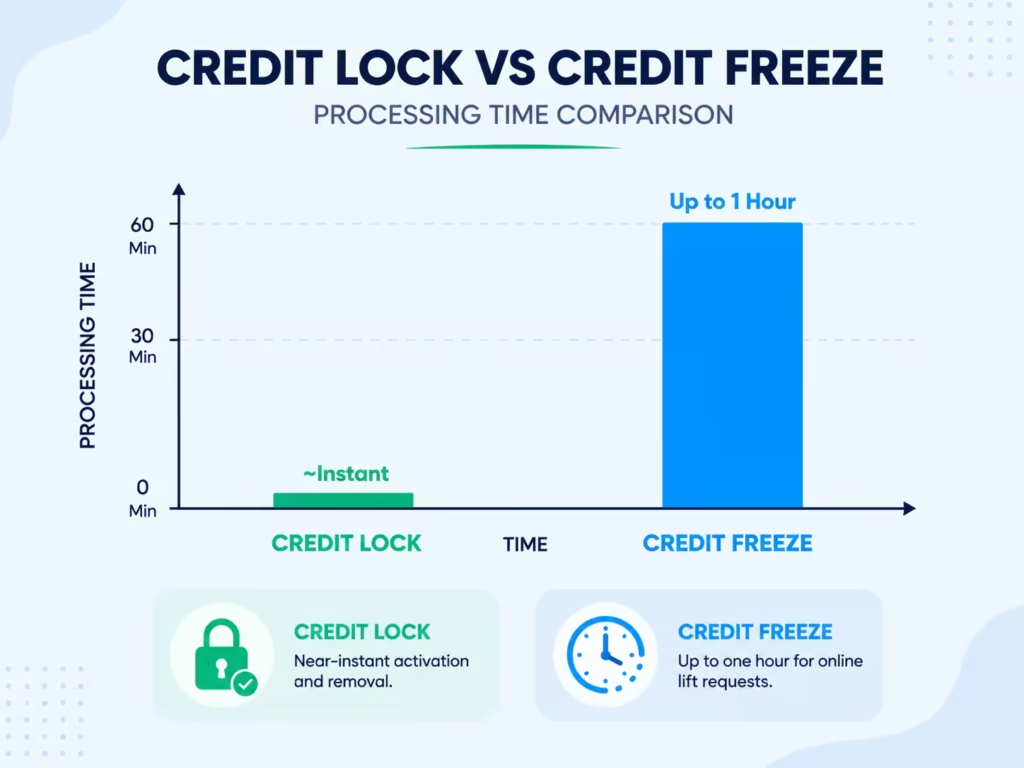
A freeze is fast too, just not quite instant. Federal law sets clear deadlines. When you place or thaw a freeze online or by phone, the bureau must act within one business day, and a lift request must be completed within one hour. Requests sent by mail can take up to three business days.
Here’s the practical takeaway. If you’re standing at a car dealership and need a hard inquiry to go through right now, a lock toggle is quicker. A one-hour freeze lift works for almost all real-world situations, like mortgage applications, if you plan.
You should also consider your own habits when choosing between these two tools. If you are prone to forgetting passwords or managing multiple app subscriptions, a freeze might be the better choice.
It stays in place until you specifically decide to remove it. You do not need to worry about toggling it on and off for daily purchases. Locks are best if you frequently open new lines of credit and value instant access over long-term simplicity.
Legal Protections: What Happens If Something Goes Wrong
Imagine a bureau releases your credit report even though you had protection in place, and a thief opens an account. What can you actually do? The answer depends heavily on which tool you used.
With a freeze, you have the Fair Credit Reporting Act behind you. If a credit bureau breaks the freeze rules, the FCRA lets you seek statutory damages. This means you can get money even if you can’t show exact financial loss. You may also receive punitive damages and attorney’s fees. You can take the bureau to court, and you can file a complaint with the Consumer Financial Protection Bureau.
With a lock, your rights come from the bureau’s terms of service. Many of those agreements include a mandatory arbitration clause. That means you give up the right to sue in court, and disputes go to a private arbitrator instead. Outcomes in arbitration tend to favor companies, and the process is usually confidential.
This isn’t legal advice, and every situation is different. But the pattern is clear: a freeze gives you a legal remedy, while a lock gives you whatever the contract happens to allow.
Does a Credit Freeze or Lock Hurt Your Credit Score?
No. Neither one touches your credit score. Not even a little.
This fear stops a lot of people from protecting themselves, and it’s based on a myth. A freeze or lock only blocks new lenders from pulling your report. It does nothing to the score itself.
Your existing accounts keep working and reporting normally. You can still use your credit cards, pay your loans, and build your payment history. You can also check your own credit report anytime. The only thing that’s blocked is new account access, which is exactly what stops new account fraud.
📌 Did You Know: A freeze doesn’t even stop all inquiries. Your current creditors, collection agencies working for them, and government agencies with a court order can still access your file.
Do You Need to Freeze or Lock at All Three Bureaus?
Yes, and this is one of the most common mistakes people make. Each of the three major credit bureaus, Experian, Equifax, and TransUnion, operates independently. Securing your file at one bureau does nothing for the other two.
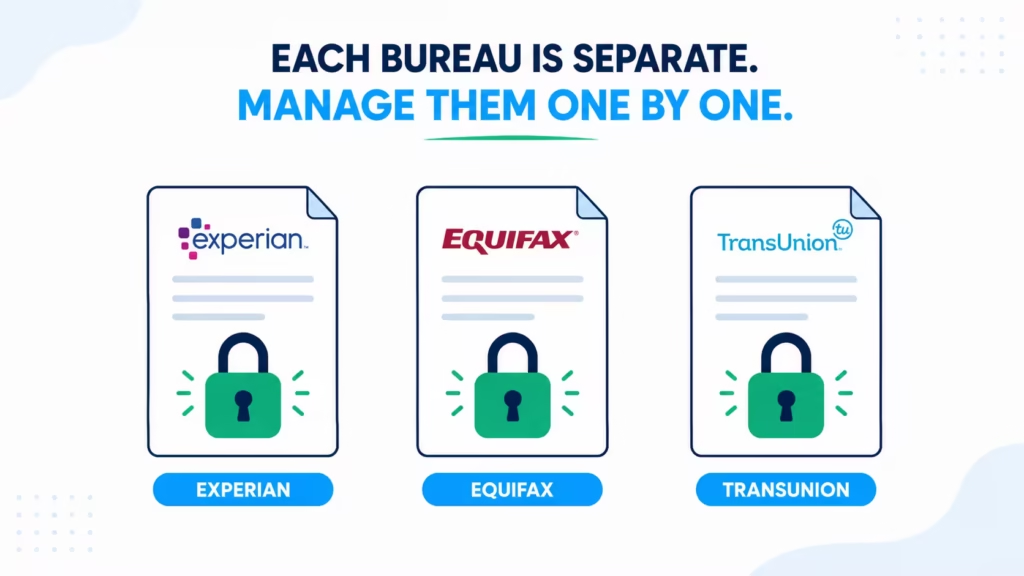
Lenders don’t all pull from the same bureau. One bank might check Experian, while a car lender checks TransUnion. Some mortgage lenders pull a tri-merge credit report that combines all three. If you only froze your Equifax file after an Equifax breach notice, a thief could still open accounts through lenders that pull the other two reports.
⚠️ Mistake to Avoid: Protecting only one bureau after a breach feels productive, but it leaves two open doors. Full protection against new account fraud requires action at all three, and since freezes are free, it costs nothing but a few extra minutes.
Credit Freeze/Lock vs. Fraud Alert: Don’t Confuse These
These three tools get mixed up constantly, and the differences matter. A fraud alert is a flag on your credit report. It tells lenders to take extra steps to verify your identity before opening an account. It does not block access to your file. A lender can still pull your report and approve the application if the verification checks out.
A security freeze or lock works very differently. It actively restricts access to your report, so the lender can’t see your file at all until you lift it.
When does each one make sense? A fraud alert is a lighter option if you suspect your information is exposed but still want credit applications to flow. A freeze or lock is the stronger choice when you want access shut off completely. Fraud alerts are also free, and you only need to contact one bureau to place one.
You should choose your tool based on your specific needs. If you are applying for a loan or a new apartment soon, an alert is often better. It keeps your credit file accessible while adding a layer of safety.
If you do not plan on seeking new credit, a freeze is the safest route. It provides the most defense against identity thieves. You can always use them together for maximum protection, but remember to manage them carefully.
Can You Have Both a Freeze and a Lock at the Same Time?
At most bureaus, no, and you don’t need to. A credit lock and a credit freeze do the same core job: they block lender access to your report. Stacking both adds nothing, and several bureaus won’t let you run them at the same time anyway. Equifax, for instance, treats its lock and freeze as separate options where one is active at a time.
Choosing one per bureau is enough for full protection. Since the freeze is free and legally backed, it’s the natural default. A lock makes sense only when its specific features, like instant toggling or free alerts, add something you actually want.
Deciding between these options requires a look at your personal habits. If you prefer a simple, set-it-and-forget-it approach, stick with a freeze. It stays in place until you specifically ask to remove it.
A lock is better if you frequently apply for credit and need the ability to open your report instantly through an app. Evaluate how often you share your data before making your final choice. Once you pick the best tool for your lifestyle, you can feel much more secure about your financial identity.
Which Should You Choose: Freeze, Lock, or Both?
The right answer depends on your situation. Match yours to one of these scenarios:
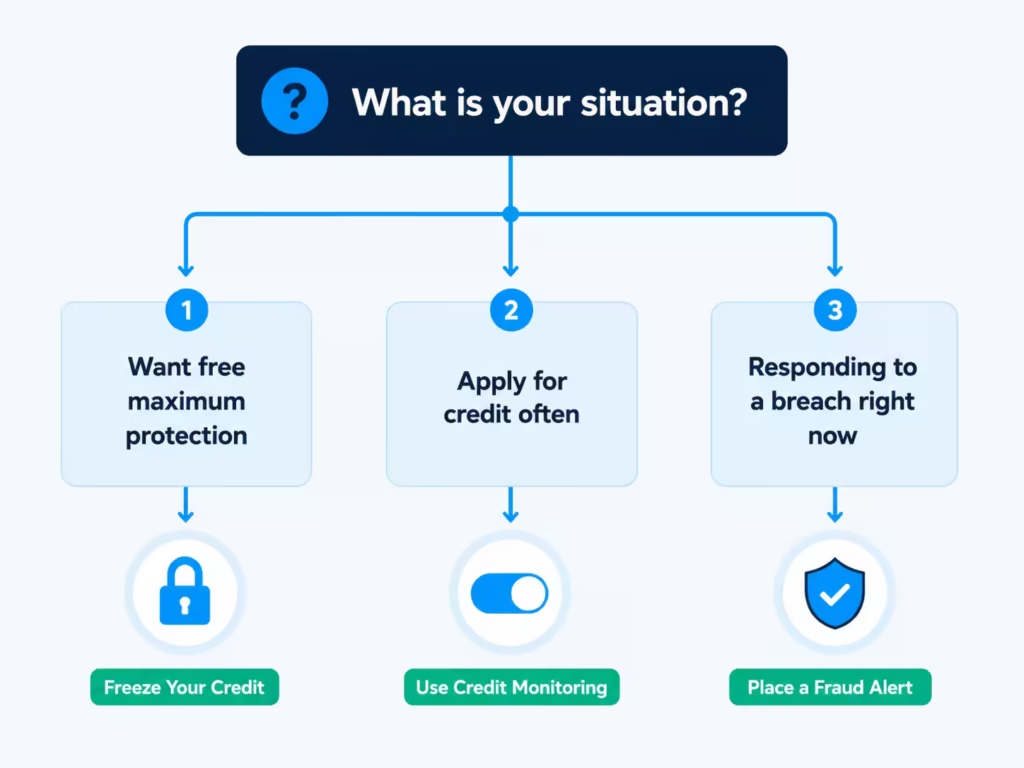
- You want free, maximum-strength protection with no urgency. Choose a freeze at all three bureaus. It costs nothing, it’s backed by federal law, and it gives you real legal recourse if something goes wrong.
- You apply for credit often and want instant control. A lock can work here, but only where it’s free, like Equifax Lock & Alert. Paying $24.99 a month just for faster toggling rarely makes sense when a freeze lift takes about an hour.
- You’re responding to a specific breach or fraud incident. Freeze at all three bureaus immediately. Don’t wait, and don’t stop at the one bureau named in the breach letter.
For most people, a security freeze is the stronger baseline. It’s free at every bureau, the law guarantees it, and the legal protection is simply better than anything a contract offers.
💡 Pro Tip: Freeze your credit at all three bureaus today, then add Equifax’s free Lock & Alert on top of your routine if you like app-based alerts. You get legal protection plus notifications without paying a dime.
What Happens When You’re Ready to Apply for New Credit
Protection shouldn’t block your own plans. When you’re ready to apply for a loan or card, the process is simple if you know the steps.
First, ask the lender which bureau it will pull from. Many will tell you, and it saves you from lifting protection at all three when only one is needed. If the lender won’t say, or if it pulls a tri-merge credit report, plan to lift all three.
Next, thaw the freeze or toggle off the lock at those specific bureaus. A lock is instant. A freeze lift by phone or online must happen within one hour by law, and in practice it’s often faster. Give yourself a small buffer before the appointment, and you won’t feel rushed.
Finally, put the protection back afterward. Refreeze or relock once the hard inquiry is done. You can also lift a freeze temporarily for a set number of days, so it reactivates on its own. That way, you never leave your file open by accident.
Frequently Asked Questions (FAQs)
Is it better to freeze or lock my credit?
A freeze is better for most people since it’s free at all three bureaus and backed by federal law. A lock only makes sense when it’s free too, like Equifax’s Lock & Alert, or when you value instant app-based toggling over a one-hour freeze lift.
Is a credit lock the same as a credit freeze?
No. A credit freeze is a free federal right under the Fair Credit Reporting Act, while a credit lock is a company product governed by its own terms of service. Both block new lenders from viewing your report, but only the freeze guarantees you legal recourse if something goes wrong.
Can someone pull my credit if it’s frozen?
No, a freeze blocks new lenders from accessing your report entirely. Your existing creditors, collection agencies working for them, and government agencies with a court order can still see your file.
Can I still pay off my credit card if I freeze it?
Yes, a credit freeze doesn’t touch your existing accounts at all. You can keep making payments, using your cards, and building payment history normally while the freeze is active.
Will my credit score go up if I freeze it?
No, freezing your credit does not affect your score at all, positive or negative. It only blocks new lenders from pulling your report, which has nothing to do with how your score is calculated.
Can I freeze all three credit bureaus at once?
You need to freeze Experian, Equifax, and TransUnion separately since they operate independently. There’s no single action that freezes all three at the same time, but each one is free and takes just a few minutes.
What is the downside to freezing your credit?
The main downside is inconvenience: you must remember to lift the freeze at the specific bureau a lender will use before applying for new credit. Online or phone lifts are completed within an hour by law, so this is a minor delay rather than a real obstacle.
Will freezing your credit ruin my current cards?
No, a freeze applies to your credit report, not to any individual card. Your existing credit cards keep working exactly as before, and your creditors can still report your payment activity.
Is a credit lock free?
It depends on the bureau. Equifax’s Lock & Alert is free, while Experian bundles CreditLock into a paid membership currently priced at $24.99 per month after a 7-day trial.
Does a fraud alert block access the same way a freeze does?
No, a fraud alert only requires lenders to verify your identity before approving new credit; it doesn’t block them from seeing your report. A freeze or lock actively shuts off access until you lift it, which is stronger protection against new account fraud.
Wrapping Up
The choice between a credit lock and a credit freeze is simple:
- Freezes are free at all bureaus, as federal law guarantees them.
- They also offer legal protection.
On the other hand, locks are contract-based. Their prices and terms can change.
A freeze at all three bureaus is the best option for most readers. You can add a free lock if you want instant app control.
If you know someone who just got a data breach notice, share this guide with them. It could save them from paying monthly for protection that’s already free.