
I know how stressful it feels to apply for a loan or card and not know which credit bureau the bank will check. If your Experian file is frozen, or your TransUnion score looks weaker than your Equifax one, the choice of bureau really matters. Many folks worry about a surprise hard inquiry hitting the “wrong” file. That’s exactly why so many people search for what credit bureau does Truist pull from before they apply.
Truist does not follow one fixed rule. The bureau it pulls depends on your state, the product, and sometimes the dealer or branch.
Keep reading for a clear, product-by-product breakdown, freeze and thaw tips, and simple steps to check which bureau got pulled after you apply.
Key Takeaways
This guide explains what credit bureau Truist pulls from across credit cards, business cards, auto loans, and personal loans, including state patterns, freeze and thaw strategy, and how to confirm which bureau was checked.
Core Facts:
- Truist has no single fixed bureau policy; the choice depends on the state, the product, and sometimes the branch or dealer handling the application.
- For personal credit cards, Experian is the most commonly reported pull, followed by Equifax, with TransUnion appearing less often.
- Business credit cards most often show an Equifax pull on the applicant’s personal file, since Equifax handles both personal and small business data.
- Auto loans most commonly pull TransUnion followed by Equifax, and the bureau used often depends on the dealer’s routing setup rather than Truist directly.
- A hard inquiry stays on a credit report for two years and can lower a FICO score by about 5 to 10 points initially.
- Adverse action notices are required by law to disclose which specific bureau Truist used if an application is denied.
Best for:
- Readers preparing to apply for a Truist credit card, business card, auto loan, or personal loan who want to unfreeze the right bureau beforehand.
- Applicants who were recently denied by Truist and want to understand which bureau was checked and how to dispute errors.
- Readers comparing bureau-freeze strategies across multiple product types before submitting any application.
There’s No Single Official Bureau Truist Always Pulls
Truist has never published a public list that says, “we always use bureau X.” That is the honest truth, and it’s why answers online feel so mixed. The bank uses all three major bureaus, and the one it picks can shift from one application to the next. This means what credit bureau does Truist pulls from is not a one-size answer.
Truist was formed when BB&T and SunTrust merged in 2019. Both old banks had their own pull habits, and those habits still show up in customer reports today. On forums like myFICO and Reddit, people share their hard inquiry results after applying. Those posts show a real mix of Experian, Equifax, and TransUnion pulls across the country.
So instead of guessing, plan for any bureau. Check all three reports before you apply. That way you know your files are clean, no matter which one Truist chooses to review.
Why the Bureau Can Vary by State
Truist operates in many states, mostly across the Southeast and Mid-Atlantic. Each region tends to lean on a different bureau based on old bank routing rules and local data agreements. For example, applicants in Virginia and North Carolina often report Equifax pulls. Folks in Florida and Georgia frequently see Experian on their reports. Some Northeast applicants get TransUnion instead.
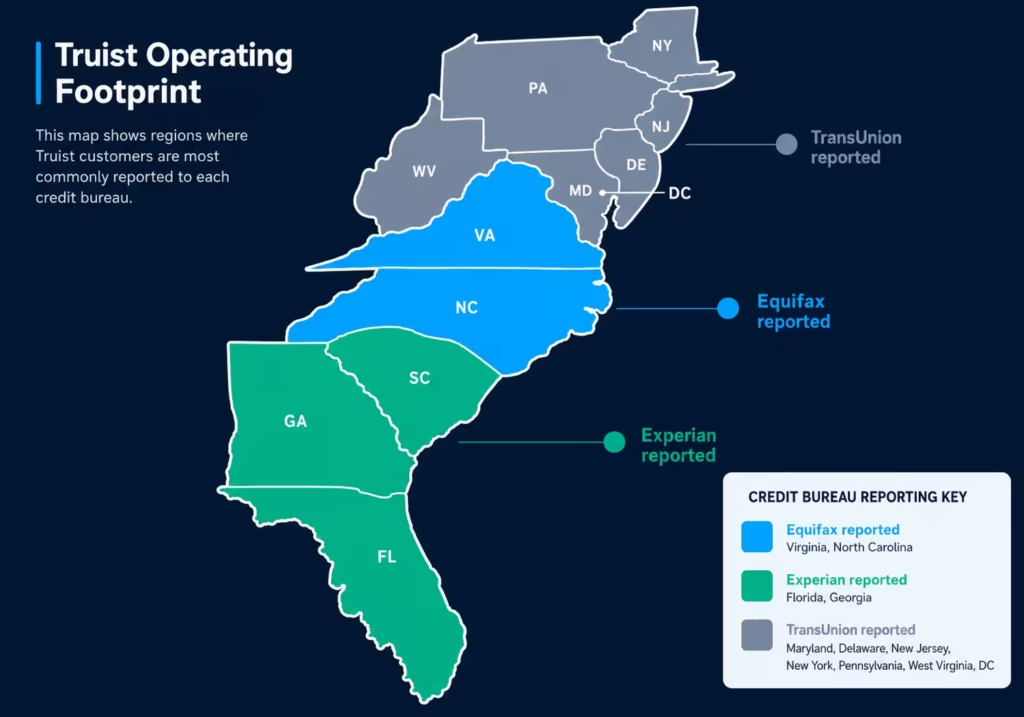
State choice is not random. Banks pick bureaus based on data cost, coverage, and internal scoring models. That’s why your neighbor in another state may see a totally different result than you. Since the bank does not confirm this pattern in writing, treat state trends as helpful hints, not a promise.
Applying for More Than One Truist Product Can Mean More Than One Pull
If you apply for a credit card and a personal loan at the same time, you might see two hard inquiries. Sometimes they land on the same bureau. Other times, they hit two different files. This can happen even inside one branch visit.
Business products often use a different bureau than personal ones. So a business card plus a personal card can leave marks on two separate reports. Space out your applications by at least 30 to 60 days when you can. This helps limit the score dip from stacked hard inquiries.
💡 Pro Tip: Pull your own free reports from all three bureaus at annualcreditreport.com before you submit any Truist application. That way you catch errors on every file, not just the one you think will be checked.
What Credit Bureau Does Truist Pull From for Credit Cards
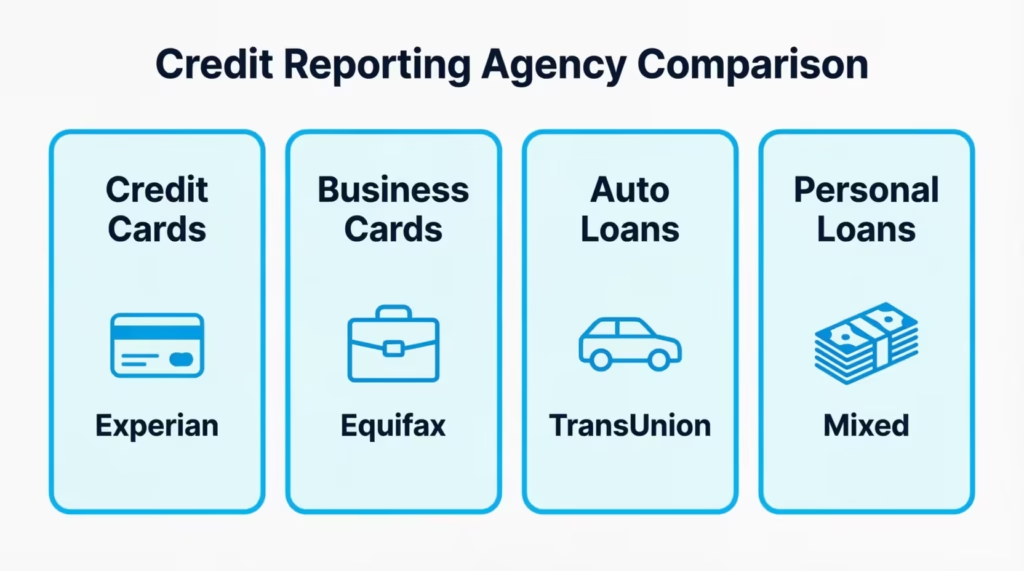
For personal credit cards, Truist most often pulls Experian. That’s the pattern seen most in real applicant reports over the past two years. Equifax is the second most common pull. TransUnion happens too, but less often for card products.
The card you apply for can shift the choice. The Truist Enjoy Cash, Enjoy Travel, and Future card all fall under the same underwriting team. Even so, the bureau used may not match across every applicant. Some people apply online and see Experian. Others apply in a branch and get Equifax instead.
Truist does a hard inquiry when you submit a full card application. That inquiry stays on your report for two years. It can lower your FICO score by about 5 to 10 points at first. The drop is usually small and fades in a few months if you pay on time.
If your Experian file is frozen, the system may reject or delay your application. So thaw Experian first for a Truist credit card. If you want a backup plan, thaw Equifax too. That covers about 90 percent of reported pulls for card products.
What Credit Bureau Does Truist Pull From for Business Credit Cards
Business credit cards work differently. Truist’s Enjoy Business Cash card and other small business cards most often show an Equifax pull on the personal side. This is because Equifax handles both personal and small business data through its commercial arm. TransUnion also appears in some business card reports, though less often.
A business card usually needs a personal guarantee. That means the bank checks your personal credit report, not just the business one. So a hard inquiry from a Truist business card can hit your personal Equifax file. Some applicants also see a soft pull on Dun and Bradstreet or Experian Business.
Before you apply, thaw your Equifax report if it’s frozen. Also confirm your business is registered with a real EIN and a filed state document. This helps Truist verify your business quickly and cuts the risk of a manual review.
What Credit Bureau Does Truist Use for Auto Loans
Auto loans are the most mixed of all Truist products. The bureau depends heavily on the dealer, not just the bank. Truist buys auto loan paper through dealer networks. Each dealer often has its own bureau routing setup with the lender.
Reports from real borrowers show TransUnion as the most common pull for Truist auto loans, followed by Equifax. Experian is less common here. Auto lenders also use an auto-enhanced FICO score, not the basic FICO 8. This scoring model puts extra weight on past auto loan history.
Dealers usually shop your application to several lenders at once. So you might see two or three hard inquiries in one day. Under FICO scoring rules, auto loan inquiries within a 14 to 45 day window count as a single inquiry. That protects your score during rate shopping.
If your credit is frozen, unfreeze all three bureaus before you visit the dealer. This helps prevent a delay or a denial due to a “no hit” report. Once you sign the loan, you can refreeze the files right away.
What Credit Bureau Does Truist Use for Loans
Personal loans and lines of credit through Truist show a wider spread across bureaus. Some borrowers report Equifax. Others see Experian or TransUnion. The bank appears to pick based on state, loan size, and product type.
For a Truist personal line of credit or Ready Now cash, Equifax is common. For the Truist Personal Loan and Home Equity Line of Credit (HELOC), Experian shows up more often. Loans tied to an existing Truist checking account may use a soft pull first, then a hard pull once you accept the offer.
Loan underwriting also looks at your debt-to-income ratio, not just the credit score. So even a strong score won’t help if your monthly debt is too high. Truist typically likes a debt-to-income ratio under 43 percent for most personal loans. Keep that number low, and your odds of approval go up.
Why Your Score Can Look Different Depending on the Bureau
Your credit score is not one single number. Each bureau Experian, Equifax, and TransUnion, keeps its own file about you. Lenders send data to some bureaus but not all. So each file can look a bit different, even on the same day.
A few reasons for the gap:
- One bureau may miss a new account that another has.
- Late payments may report to only one or two bureaus.
- Address changes and name updates can lag between files.
- Hard inquiries only show on the file the lender pulled.
FICO also runs different score models. The FICO 8 score you see for free might differ from the FICO 9 or Bankcard version a lender uses. Truist may use FICO 8, FICO 9, or a custom internal model based on the product. That’s why the score you check at home may not match the one the loan officer sees.
📌 Did You Know: A single account can show three different balances across bureaus on the same day, because creditors report on their own timing. This is normal and does not mean any file is wrong.
Hard Pull vs. Soft Pull: What to Expect With Truist
A soft pull does not affect your credit score. A hard inquiry does, though usually by just a few points. Truist uses both types, but at different stages of the process.
Soft pulls happen for:
- Prequalification checks on the Truist website
- Existing customer offers in online banking
- Account reviews after you open a product
- Marketing pre-approvals sent by mail
Hard pulls happen for:
- Full credit card, loan, or line of credit applications
- Auto loan applications at a dealership
- Business card personal guarantee checks
- Mortgage applications
Prequalifying online is a safe way to test your odds without a score hit. If Truist shows you a prequalified offer, you still get a hard pull when you accept it. So think of prequalification as a first filter, not a final approval.
⚠️ Mistake to Avoid: Do not submit a full application just to see if you qualify. That triggers a hard inquiry even if you’re denied. Always try the prequalification form first.
Should You Unfreeze Your Credit Before Applying to Truist
Yes, thaw at least one bureau before you apply. If all three files are frozen, Truist may not be able to view your credit. That often leads to a delay or a straight denial. But you don’t need to thaw all three unless you want maximum flexibility.
Weigh the trade-offs. Thawing more bureaus opens more risk of fraud, since scammers can also see your files. Thawing fewer bureaus feels safer, but you might guess wrong about which one Truist uses. The good middle ground is to thaw two bureaus and keep one frozen.
Set a temporary thaw window, usually 1 to 7 days. Long enough for Truist to complete the pull, then the freeze snaps back on. Each bureau’s website makes this simple with a PIN or account login.
Helpful thaw links:
Which Bureau to Unfreeze If You’re Not Sure
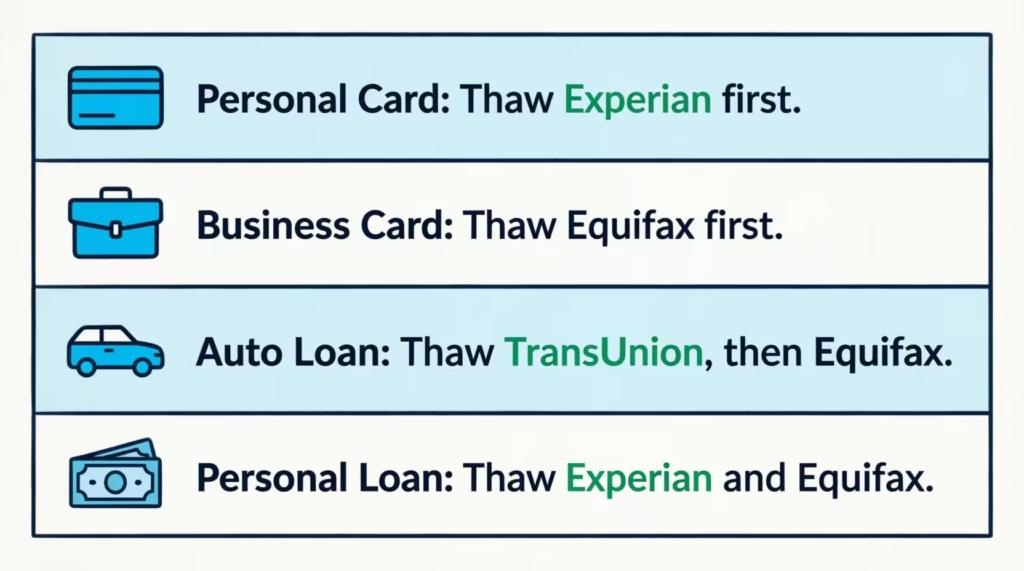
If you’re applying for a personal credit card, thaw Experian first. Equifax is a good second pick. For a business credit card, thaw Equifax first. For an auto loan, thaw TransUnion first, then Equifax. For a personal loan, thaw Experian and Equifax together for the best odds.
When in doubt, thaw all three for a short window, like 3 days. This costs you nothing and speeds up the review. Just refreeze right after Truist sends you the credit decision. Set a calendar reminder so you don’t forget.
How to Find Out Which Bureau Truist Actually Pulled
After you apply, you can confirm the bureau in three simple ways:
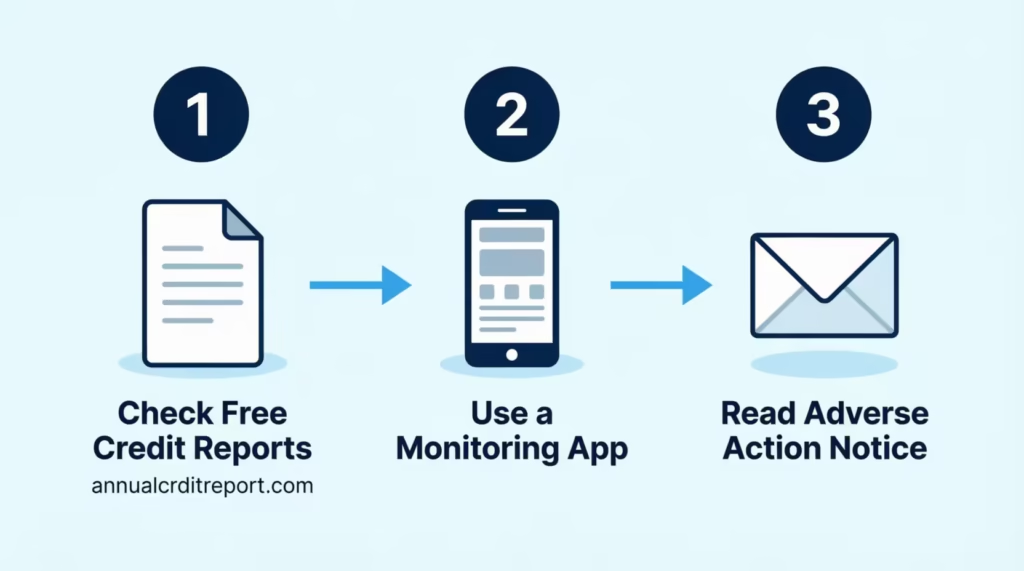
- Check your free credit reports. Visit annualcreditreport.com and pull all three files. Look under the “Inquiries” section for a Truist entry with today’s date.
- Use a free monitoring app. Apps like Credit Karma (TransUnion and Equifax) and Experian’s free tools show new hard inquiries within a few days.
- Read your adverse action notice. If Truist denies you, federal law says the bank must tell you which bureau it used. This notice arrives by mail or email within 30 days.
Log the bureau name for your records. That helps you predict future Truist pulls and plan freezes for later applications.
What to Do If You’re Denied and Want to Know Why
Under the Fair Credit Reporting Act (FCRA), you have the right to a free copy of the exact credit report Truist used. Contact the bureau listed on your adverse action letter within 60 days. Request the report using the reference code in the letter.
Review that report line by line. Look for errors like:
- Accounts that aren’t yours
- Wrong balances or credit limits
- Old late payments past the seven-year mark
- Duplicate collection entries
If you spot a mistake, file a dispute right on the bureau’s website. Bureaus must respond within 30 days under FCRA rules. A fixed error can raise your score enough to reapply and get approved next time. Wait at least 60 days between Truist applications to avoid stacked inquiries.
Frequently Asked Questions (FAQs)
What credit bureau does Truist pull from?
Truist does not use one fixed bureau. Experian leads for personal credit cards, Equifax for business cards, and TransUnion for auto loans, though the choice can vary by state and product.
Does Truist use Equifax or TransUnion?
Truist uses both, along with Experian, depending on the product. Business credit cards most often pull Equifax on the personal side, while auto loans most often pull TransUnion.
What credit cards are associated with Truist Bank?
Truist offers personal cards like the Enjoy Cash, Enjoy Travel, and Future card, all under the same underwriting team. It also offers business cards such as the Enjoy Business Cash card.
What credit union does Truist pull from?
Truist is a bank, not a credit union, and it pulls directly from the three major credit bureaus: Experian, Equifax, and TransUnion. Which one it uses depends on the state, product, and sometimes the branch or dealer.
Does Truist Bank do a credit check?
Yes, Truist runs a hard inquiry for full applications on credit cards, loans, auto financing, and mortgages. It also uses soft pulls for prequalification checks and existing customer offers, which do not affect your score.
What credit cards do a soft pull?
Prequalification checks on the Truist website, existing customer offers in online banking, and marketing pre-approvals all use soft pulls. These do not affect your credit score, but accepting the offer triggers a hard pull.
What are the disadvantages of Truist Bank?
Truist does not publish a fixed bureau policy, so applicants can’t predict which credit file will be checked. This unpredictability means you may need to unfreeze multiple bureaus just to avoid a delayed or denied application.
What is a poor FICO score?
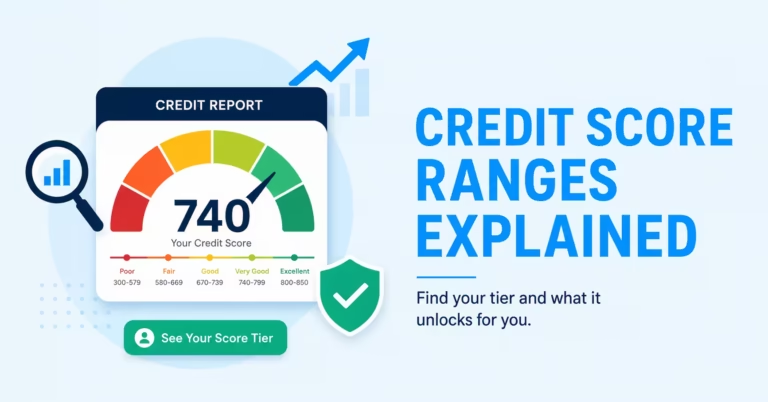
A poor FICO score generally falls below 580 on the standard 300-850 scale. Truist may use FICO 8, FICO 9, or a custom internal model depending on the product, so the exact cutoff can vary by application.
What is the biggest killer of credit scores?
Late payments are one of the most damaging factors, since they can report to one or more bureaus and stay on file for years. Stacked hard inquiries from multiple applications in a short window also drag scores down.
What bureau does Citi pull?
Truist bureau patterns specifically and doesn’t include data on Citi’s pull habits. Checking your own reports from all three bureaus before applying to any lender is the safest approach regardless of which bank you’re using.
Wrapping Up
Picking the right time and bureau to apply with Truist takes a little planning. Since Truist does not publish one fixed rule, the safest move is to prep all three bureaus, thaw the ones most likely used for your product, and try prequalification first.
Based on real applicant data, Experian leads for personal cards, Equifax leads for business cards, and TransUnion leads for auto loans. For most readers, checking all three reports before you apply will deliver the best results because it protects your score no matter which file Truist chooses.
If you know someone getting ready to apply for a Truist card or loan, share this guide. It could save them from a surprise hard inquiry or a denied application due to a frozen file.