
If you’re reading this, chances are you or someone close to you is worried about a specific situation. Maybe a card was used without permission. Maybe a family dispute has turned into a legal question. It’s a scary place to be, and the internet makes it worse with vague answers. The truth is, whether credit card fraud is a felony depends on where it happened, how much money was involved, and what the person meant to do.
The short answer: in most U.S. states, credit card fraud can be charged as either a misdemeanor or a felony, and the dollar amount plus intent decides which one.
Below, you’ll find a clear, state-by-state breakdown. It covers federal law, real gray-area scenarios, and what usually happens after charges are filed.
Key Takeaways
This guide explains whether credit card fraud is a felony, covering state dollar thresholds, federal jurisdiction under 18 U.S.C. 1029, gray-area scenarios, and what happens after charges are filed.
Core Facts:
- Felony classification depends on state law, with thresholds ranging from $100 in Florida to $1,000 in Ohio and Michigan, while Texas and Alabama charge nearly any amount as a felony.
- Federal jurisdiction under 18 U.S.C. 1029 applies when fraud crosses state lines, totals $1,000 or more in a year, or involves 15 or more counterfeit devices.
- Federal penalties range from 10 to 20 years in prison plus fines up to $250,000, and cases are typically investigated by the FBI or U.S. Secret Service.
- Many states use a six-month aggregation period, meaning multiple small unauthorized charges are added together and can cross the felony threshold even if each charge alone is minor.
- Prosecutors must generally prove intent to defraud, which is why gray-area cases like family card disputes or found cards are handled differently based on believed permission.
- A conviction can affect employment background checks, housing applications, professional licenses, and immigration status for non-citizens, beyond any criminal penalty.
Best for:
- Readers trying to determine whether a specific unauthorized card use in their state could be charged as a felony or misdemeanor.
- People involved in family disputes over shared card use or who used a card found unattended and want to understand their legal exposure.
- Anyone who has been charged or is facing potential charges and needs to understand the general court process before consulting an attorney.
Is Credit Card Fraud a Felony or a Misdemeanor?
There is no single national answer to this question. Classification depends almost entirely on state law, and each state draws its felony line in a different place. So a $300 fraudulent charge might be a felony in one state and a misdemeanor in another. That’s why searching online often gives you conflicting answers.
Two factors do most of the work in deciding felony versus misdemeanor: dollar value and intent to defraud. If the total amount taken crosses a state’s threshold, the charge usually jumps from misdemeanor to felony.
If prosecutors can show the person meant to cheat someone out of money or goods, the case becomes much stronger. Without proof of intent, many cases either get dropped or reduced.
It also helps to know that “credit card fraud” is an umbrella term. It covers several different offenses.
These include:
- Using a stolen card
- Using a card without permission
- Making fake cards
- Selling card numbers
- Using someone else’s card info online
Each of these can carry different penalties, even inside the same state. So the label matters, but so does the exact conduct.
What Determines Whether Credit Card Fraud Is a Felony
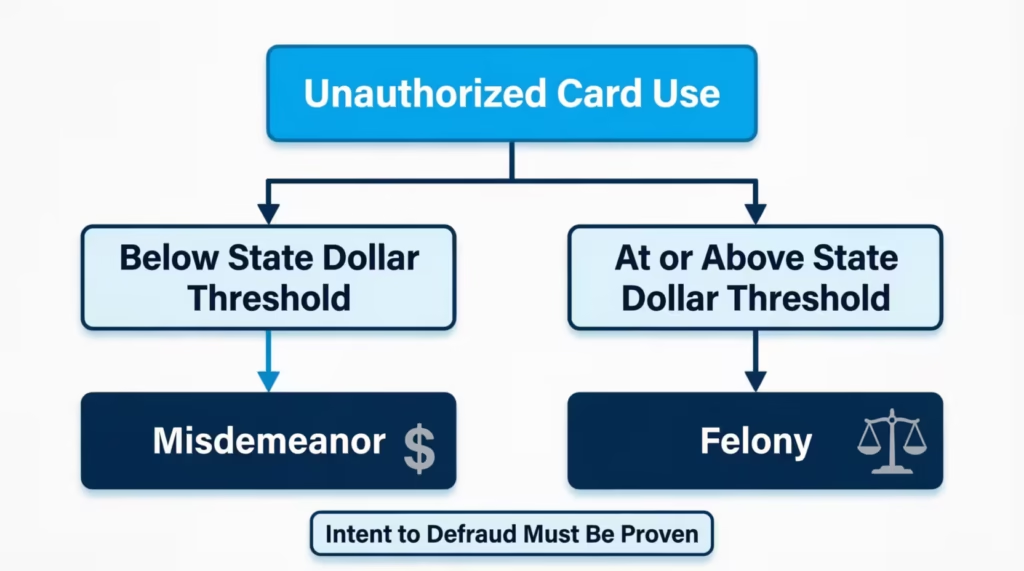
The line between a small fine and a prison sentence often comes down to a few key legal elements. States use dollar thresholds, proof of intent, and how many times the card was used to sort cases into misdemeanor or felony piles. Once you understand these levers, the answer stops feeling random.
Most states also stack similar acts together. So a person who uses a card five times in one month for $80 each may be facing a charge based on the full $400, not each separate swipe. Repeat offenders, elderly victims, and cases with several cards or victims often face tougher charges.
Dollar Value Thresholds
Every state sets a specific dollar amount that separates a low-level charge from a serious one. These thresholds vary a lot. Florida uses one of the lowest limits at just $100, while Michigan sets the felony line at $1,000. Some states, like Texas, treat almost any credit card abuse as a state jail felony no matter the amount.
Here’s the part many people miss: the value is often cumulative, not per swipe. States commonly count every fraudulent use inside a set time window, usually six months, and add them all together. So five small purchases in that window can push a case over the felony line even if each one alone would be minor. This is called a six-month aggregation period, and it’s built right into many state statutes.
Why Intent Matters
Credit card fraud is not a “you did it by mistake” kind of crime. Prosecutors usually need to show intent to defraud. This means the person knew the use was not allowed but still aimed to gain money, goods, or services. That’s a big legal element, and it’s why cases with murky facts often fall apart.
This is also why gray-area situations, like using a partner’s card during a breakup or thinking a card was jointly owned, are treated differently in real life. If a person truly believed they had permission, that belief can defeat the intent element. It doesn’t guarantee the charge goes away, but it changes how prosecutors handle the file. We’ll look at those exact scenarios a bit later.
⚠️ Mistake to Avoid: Don’t assume a “small” charge under a state’s felony threshold means you’re safe. Repeated uses within six months are usually added together, and that combined total is what the prosecutor sees.
Federal Credit Card Fraud Law
Sometimes credit card fraud jumps from state court to federal court. That’s a big deal, because federal cases usually mean tougher rules, tougher agents, and tougher sentences. Most people worried about state penalties don’t even know federal law exists in this space, so this piece often gets missed.
The main federal statute is 18 U.S.C. § 1029, often called the federal access device fraud law. An “access device” includes credit cards, debit cards, account numbers, and any code that can be used to get money or goods.
Federal jurisdiction usually starts when fraud crosses state lines, involves interstate commerce, or uses the mail or internet. It also applies if the total value is $1,000 or more in a year. Cases involving 15 or more counterfeit or unauthorized devices also draw federal attention.
Federal penalties are much harsher than most state penalties. Depending on the exact subsection, a person can face up to 10, 15, or 20 years in federal prison plus fines up to $250,000.
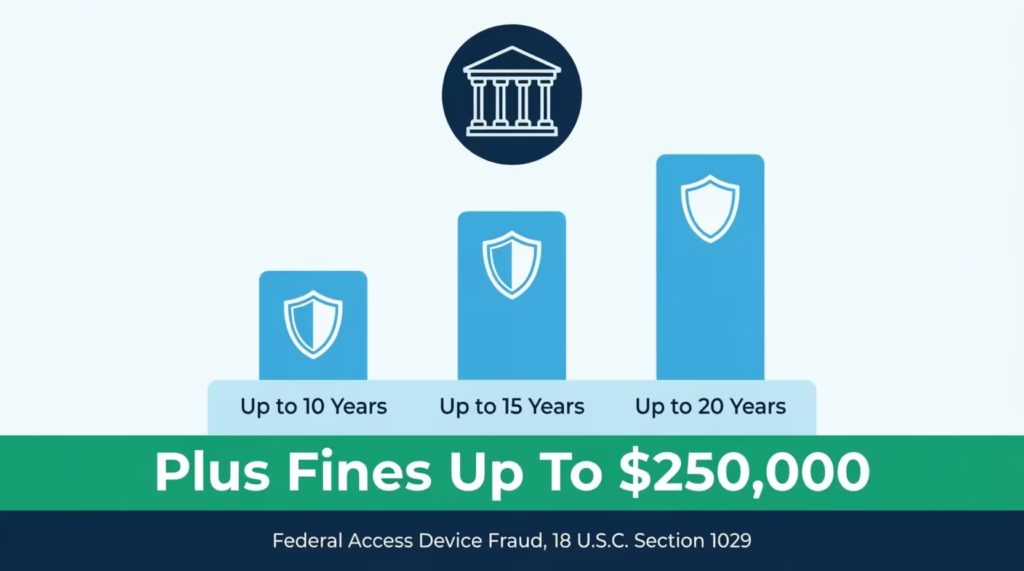
Cornell Law School’s Legal Information Institute lays out these tiers directly in the full text of § 1029. Federal cases are often investigated by the FBI or the U.S. Secret Service. The Secret Service was first set up to protect the U.S. financial system. Today, it also manages most large card fraud cases.
Common Situations People Aren’t Sure About
Most credit card fraud content online talks about stolen wallets and identity thieves. But a lot of real searches come from people in messy personal situations. A partner used a card during an argument. A teenager grabbed a parent’s card. Someone found a card in a parking lot and used it once. These gray-area scenarios deserve real answers, not generic warnings.
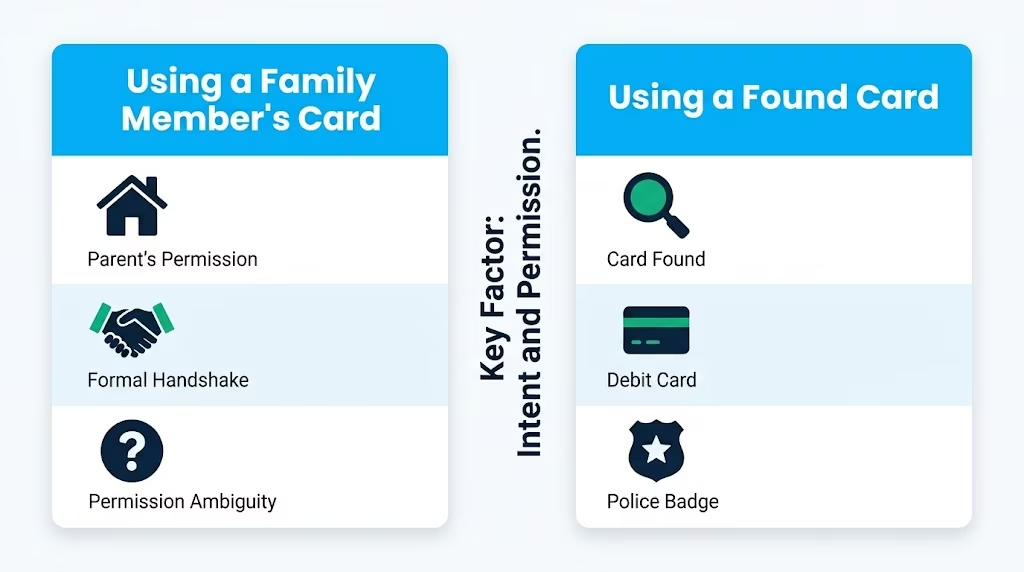
The law does not go easy on these cases just because they involve family or “small” amounts. But the way prosecutors handle them can differ, especially when relationships and permission are unclear. Understanding how these are viewed can help you figure out your own next step.
Using a Family Member’s or Spouse’s Card Without Permission
This is one of the most common real-world versions of the search “is using someone else’s credit card a felony.” And the honest answer is: yes, it can be, even inside a family. What matters most is whether the cardholder gave permission, and whether the user believed they had it.
In practice, this looks different from a stranger stealing a card. Prosecutors know that couples, parents, and adult children often share money loosely. So the relationship context matters. A one-time use during a rocky marriage looks different from a former spouse using the card months after moving out. Intent is the key. If someone had a strong reason to believe the use was allowed, the intent-to-defraud element is much harder to prove.
Still, charges are possible. A cardholder can file a report, and once that happens, the case moves out of the family’s hands. Using a family member’s card after a breakup is a common way people get unauthorized credit card charges. Some prosecutors decline these cases and steer people toward civil court. Others push forward, especially if the amount is large or the pattern is repeated.
Using a Card You Found
Finding a card in a parking lot is not, by itself, a crime. Legal risk begins the moment the card is used. Picking it up and turning it in to the bank, the store, or the police is the legally safe move.
Once the card gets swiped, tapped, or entered online, the situation changes fast. That single use can trigger a fraud charge, because the law treats “use without the cardholder’s consent” as fraud, no matter how the person got the card. Some states, like North Carolina, even make card theft a separate felony per card, on top of any fraud charge. The safest response is simple: don’t use it, report it, and let the bank or the merchant handle it.
💡 Pro Tip: If you used a found card and feel worried, save the item you bought. Keep your receipts. Be ready to pay full restitution before charges are filed. This can really help how prosecutors handle your case.
How Often Do People Get Caught for Credit Card Fraud?
Enforcement is uneven in these cases, and it’s fair for you to know that. Individual credit card fraud incidents, especially low-dollar ones, are often not solved. Police departments log the report, banks reverse the charges, and the file goes quiet. This is not encouragement to take a chance. It’s just the honest picture.
Fraud usually gets detected in two main ways. First, through chargebacks, where the real cardholder disputes a charge, and the bank refunds them, then flags the merchant and the buyer. Second, through fraud detection systems that use pattern analysis. Banks and card networks scan transactions in real time, looking for odd locations, odd amounts, or odd timing.
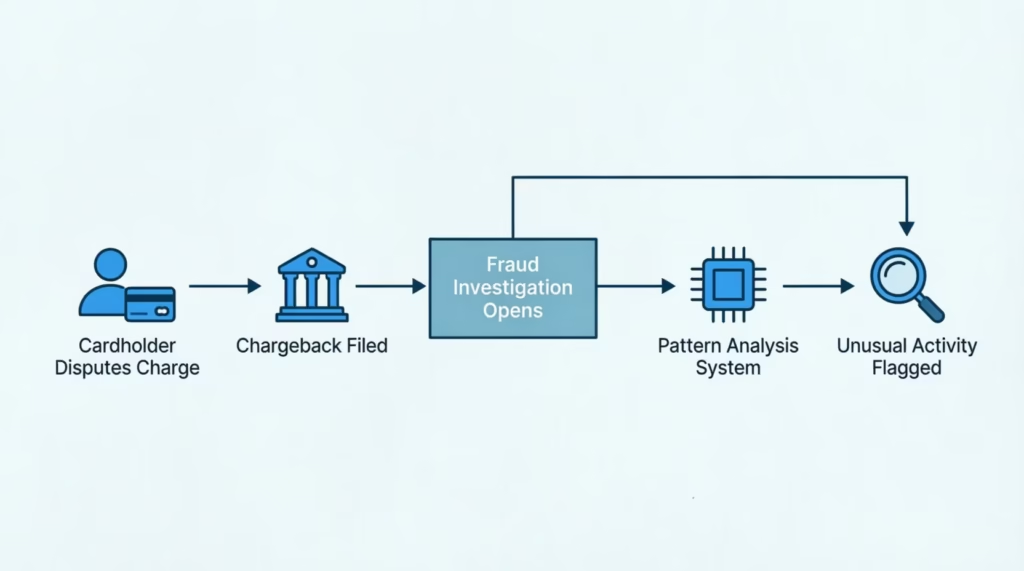
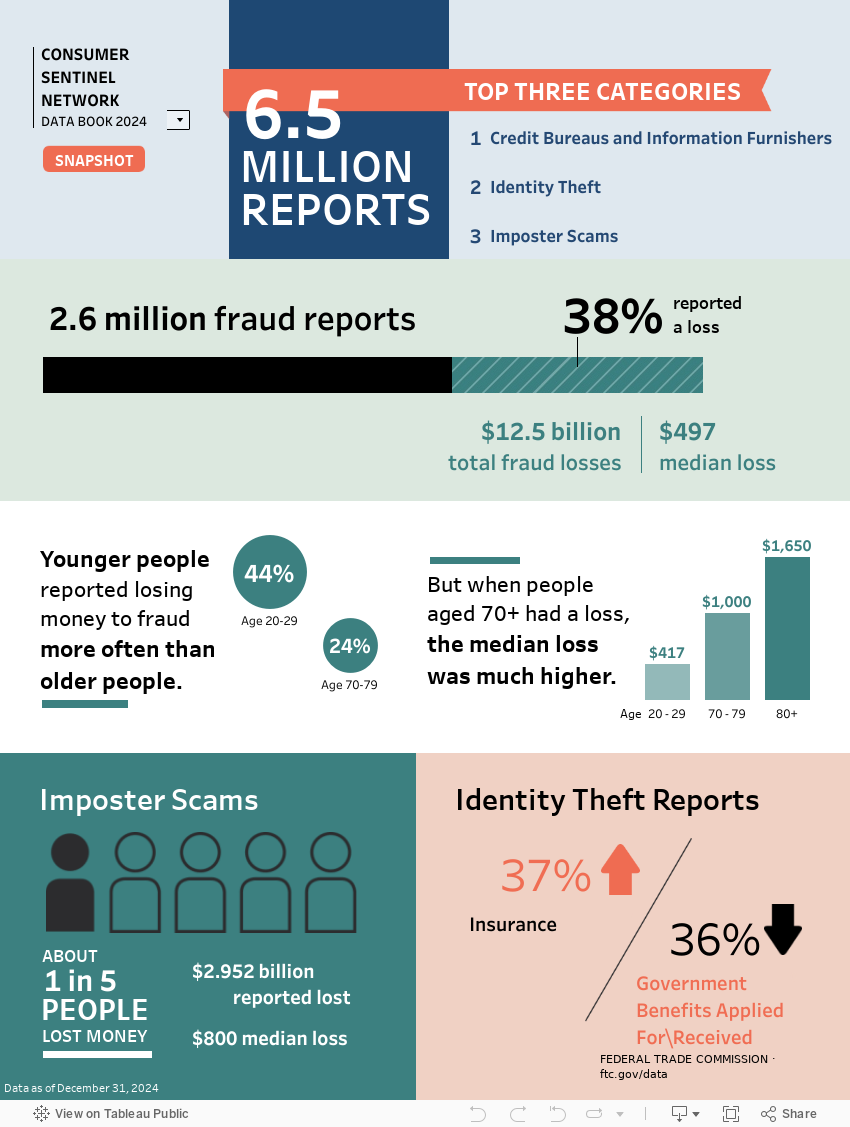
Machine learning catches a huge share of the volume before humans ever look at it. The Federal Trade Commission’s 2024 Consumer Sentinel Data Book reports that consumers filed millions of fraud complaints last year, and losses hit $12.5 billion, a 25% jump from the previous year, showing just how much data fraud teams have to sift through.
Now the big warning. Low individual odds don’t equal no legal risk. Cases that involve larger dollar amounts, repeat use, or clear digital trails do get investigated, especially by federal agents. Bank cameras, IP logs, delivery addresses, and phone data can all tie a person to a transaction. Getting away with fraud for a while is not the same as being safe. Prosecutors can file charges months, sometimes years, after the event.
State-by-State: Is Credit Card Fraud a Felony Where You Live
State law is where most of these cases live and die. The thresholds and classifications below show current laws based on research. They may change with new legislation. Anyone facing a real charge should confirm the latest version of their state’s law or talk to a local attorney. What follows gives you a solid starting point for the ten states people ask about most.
You’ll see a mix of class felony levels across states. Some use letters (Class A, B, C), some use degrees (first, second, third), and Texas uses its unique state jail felony category. Penalties, fines, and possible probation all shift based on the class assigned.
| State | Statute | Felony Trigger | Classification |
|---|---|---|---|
| Texas | Penal Code § 32.31 | Any amount | State jail felony |
| Florida | § 817.61 | $100+ or 3+ uses in 6 months | 3rd-degree felony |
| Georgia | Code § 16-9-33 | Most cases | Felony |
| Ohio | R.C. § 2913.21 | $1,000+ | 5th to 2nd-degree felony |
| Virginia | Code § 18.2-195 | $1,000 in 6 months | Class 6 felony |
| North Carolina | G.S. § 14-113.13 | $500+ in 6 months | Class I felony |
| Illinois | 720 ILCS 5/17-31 | $150+ in 6 months | Class 4 felony |
| California | Penal Code §§ 484e–484j | Around $950 | Wobbler |
| Michigan | Penal Code §§ 750.157n–750.157w | $1,000 aggregate | Felony |
| Alabama | Code § 13A-9-14 | Any amount | Class D felony |
Is Credit Card Fraud a Felony in Texas
In Texas, credit card fraud is treated seriously right from the start. Under Texas Penal Code § 32.31, using or possessing a card without the cardholder’s effective consent is a state jail felony, no matter the dollar amount. That means even a small unauthorized purchase can be charged as a felony. State jail felony penalties usually run 180 days to 2 years in a state jail facility, plus fines up to $10,000.
The charge jumps to a third-degree felony if the victim is elderly, which brings a possible 2 to 10-year prison sentence. A related statute, § 32.315, covers card information fraud (using card numbers, skimming devices) and scales by the number of items involved, running from a state jail felony up to a first-degree felony for larger schemes.
Is Credit Card Fraud a Felony in Florida
Florida sets one of the lowest felony thresholds in the country. Under Florida Statute § 817.61, using a card without the holder’s consent is a misdemeanor if the total is under $100 and there are fewer than three uses in six months. Once the total hits $100 or there are three or more uses inside six months, it becomes a third-degree felony, punishable by up to 5 years in prison.
The charge can climb to a second-degree felony when multiple victims are involved or the total value is high. Second-degree felonies in Florida carry up to 15 years. So a series of small charges across a few weeks can quickly land someone in serious felony territory in Florida.
Is Credit Card Fraud a Felony in Georgia
Georgia takes a strict approach. Under Georgia Code § 16-9-33, financial transaction card fraud is generally treated as a felony offense from the start, with penalties of 1 to 3 years in prison and fines up to $5,000. Repeat offenses can bring 2 to 5 years.
Penalty severity scales with the value taken, the number of victims, and whether the fraud was part of an organized scheme. Cases with rings, forged cards, or repeat victims usually have longer sentences. They often lead to higher fines and sometimes include federal charges.
Is Credit Card Fraud a Felony in Ohio
Ohio uses a tiered system based on the amount. Under Ohio Revised Code § 2913.21, misusing a credit card is a misdemeanor when the loss is under $1,000. It becomes a fifth-degree felony if the victim is elderly or disabled, even under $1,000.
Above $1,000, the charge climbs through Ohio’s felony degrees. A fifth-degree felony (up to 12 months in prison) applies from $1,000 to $7,500. A fourth-degree felony applies from $7,500 to $150,000. A third-degree felony is for losses over $150,000. Big losses can lead to second-degree charges, which come with longer prison sentences.
Is Credit Card Fraud a Felony in Virginia
Virginia’s rules changed with legislative updates in recent years, so the threshold can look different in older articles. Under Virginia Code § 18.2-195, credit card fraud is a Class 1 misdemeanor when the total value is under the statutory threshold in a six-month window. Sources vary between $500 and $1,000 depending on the amendment year, so always confirm the current statute.
At or above that threshold in six months, the charge becomes a Class 6 felony, which carries 1 to 5 years in prison. In Virginia, conspiracy to commit credit card fraud is always a felony. This holds true, even for small amounts, and it often surprises people.
Is Credit Card Fraud a Felony in NC
North Carolina uses a $500 threshold across six months. Under North Carolina G.S. § 14-113.13, unauthorized use totaling under $500 in that window is a Class 2 misdemeanor. Once the total hits $500 or more, it becomes a Class I felony, punishable by 3 to 12 months, depending on prior record.
North Carolina also has a strong separate rule: card theft itself is a Class I felony per card. So taking multiple cards can bring stacked felony charges even before any fraudulent use happens. That’s a much harsher stance than most states take on possession.
Is Credit Card Fraud a Felony in Illinois
Illinois sets a low felony threshold too. Under 720 ILCS 5/17-31 and related statutes, credit card fraud totaling under $150 within six months is a Class A misdemeanor. Above that amount in the same window, it becomes a Class 4 felony, carrying 1 to 3 years in prison and fines up to $25,000.
In Illinois, buying, selling, or trafficking cards without consent is a Class 4 felony. There’s no threshold needed for this offense. So a person caught with even a small stash of cards to sell can face the same felony class as someone who used $500 worth of fraud on a single card.
Is Credit Card Fraud a Felony in California
California takes a flexible approach through its “wobbler” system. Under California Penal Code sections 484e to 484j, most credit card fraud offenses are wobblers. This means the prosecutor can choose to charge them as either a misdemeanor or a felony. The choice depends on the facts, the person’s history, and the county’s practices.
The felony threshold is generally tied to California’s $950 grand theft line. Loss under $950 usually leads to a misdemeanor charge, up to a year in county jail. Loss at or above $950, or a case with a serious prior record, often gets filed as a felony, up to 3 years. Prosecutorial discretion plays a huge role here, so outcomes can vary widely by county.
Is Credit Card Fraud a Felony in Michigan
Michigan sets its felony line at $1,000. Under Michigan Penal Code sections 750.157n through 750.157w, using a credit card without permission where the total loss is under $1,000 aggregate is usually a misdemeanor. At $1,000 or more, it moves to a felony, with prison time up to 4 years and fines up to $5,000 or three times the loss.
Some specific violations are felonies regardless of amount. Using a stolen or fraudulent device, or possessing card-making equipment with intent, is a felony from the start. So the dollar threshold does not protect a person accused of possession-based offenses.
Is Credit Card Fraud a Felony in Alabama
Alabama is short and severe. Under Alabama Code § 13A-9-14, credit card fraud is classified as a Class D felony, no matter the specific dollar threshold in most cases. That means the felony label attaches immediately once the elements are met.
Class D felonies in Alabama carry a penalty range of one year and one day up to five years in prison, plus fines up to $7,500. First-time offenders might get probation or community service. However, the felony record stays unless it is expunged later.
What Happens After You’re Charged
Once charges are filed, the process usually follows a set path. First comes investigation, where police or federal agents gather bank records, camera footage, and merchant reports.
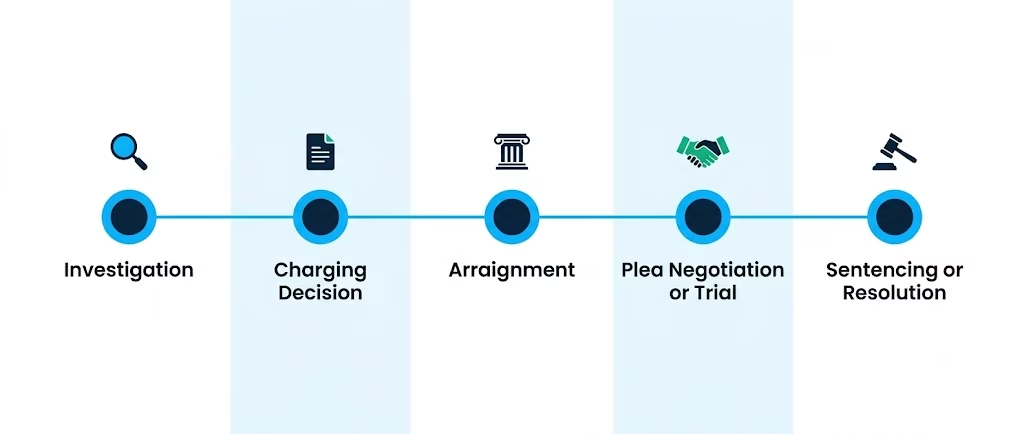
Then comes a charging decision, where the prosecutor decides whether to file, drop, or offer a reduced charge. Next is arraignment, where you appear in court, hear the charges, and enter a plea. From there, the case either goes to plea negotiation or trial. Most cases end in a plea agreement, not a trial.
Restitution plays a big role in credit card fraud cases. That means paying the victim back for what was taken, sometimes including bank fees or investigation costs. Courts often make restitution part of any plea deal, and paying it fully before sentencing can improve the outcome. In many low-dollar cases, showing you’ve already made the victim whole moves the needle with prosecutors.
First-time offenders and low-value cases often have room for reduced charges or diversion programs. Diversion means completing certain conditions (classes, community service, restitution) in exchange for the charge being dismissed.
Prosecutorial discretion controls whether these options are offered. This is a general pattern, not legal advice for your case. Anyone facing charges should get a local defense attorney to walk them through the specifics of their court and county.
Consequences Beyond the Criminal Charge
The criminal penalty is only part of the story. A conviction, even a misdemeanor, can create long-term problems that hit years after the case closes. Many people work hard to reduce a charge or avoid a conviction. They do this even when jail time isn’t a concern. Understanding these effects explains their motivation.
The biggest lasting effect is the criminal record. Employers use background checks to find fraud convictions. This can hurt chances for jobs that deal with money, licenses, or trust. Landlords can deny housing based on the same records. Some professional licenses can be blocked or taken away. This includes nursing, teaching, real estate, and finance. A fraud conviction can lead to this.
Immigration effects also matter for non-citizens. Fraud convictions are seen as “crimes involving moral turpitude” in immigration law. This can lead to deportation or prevent green card and citizenship applications. That’s a whole different area of law and worth a separate conversation with an immigration attorney.
Finally, the financial hits go beyond the criminal fine. Courts order restitution to the victim. The bank or card issuer may pursue civil action to recover losses separately, even after the criminal case ends. So a person can end up paying the fine, the restitution, and a civil judgment for the same underlying event. All of that lives on the credit record too, making loans and housing harder for years.
Frequently Asked Questions (FAQs)
Is credit card fraud a felony?
It depends on your state, the dollar amount involved, and whether prosecutors can prove intent to defraud. Texas and Alabama charge nearly any unauthorized use as a felony, while Ohio and Michigan only do so above $1,000.
Is credit card fraud a federal felony?
It becomes federal under 18 U.S.C. § 1029 when fraud crosses state lines, involves $1,000 or more in a year, or includes 15+ counterfeit devices. Federal penalties reach up to 20 years in prison and $250,000 in fines.
At what amount does credit card fraud become a felony?
The threshold varies widely by state, from $100 in Florida to $1,000 in Ohio and Michigan. Texas and Alabama set no dollar minimum at all, treating nearly any unauthorized use as a felony from the start.
Can you go to jail for credit card fraud involving $300?
Yes, depending on the state. In Florida, stealing $300 is a third-degree felony. This can lead to up to 5 years in prison. In Ohio, the same amount would likely remain a misdemeanor, as it’s under $1,000.
Do most credit card frauds get caught?
Low-dollar cases are often not solved, since police log the report and banks simply reverse the charge. Larger amounts and repeated use, along with clear digital trails like IP logs and delivery addresses, attract more investigation. This is especially true for federal agents.
Do banks actually investigate credit card fraud?
Yes, banks use two main methods. First, chargebacks happen when a cardholder disputes a charge. Second, they use machine learning for fraud detection. This scans transactions for unusual locations, amounts, or timing. Machine learning catches most fraudulent activity before a human ever reviews it.
Who pays when a credit card is used fraudulently?
Restitution is typically owed to the victim, and courts often make repayment part of any plea deal. Paying the victim back in full before sentencing can improve the outcome in low-dollar cases.
What happens to someone who commits credit card fraud?
After investigation, a prosecutor decides whether to file, drop, or reduce the charge, followed by arraignment and either a plea deal or trial. Most cases finish with a plea deal. First-time offenders in low-value cases might get reduced charges or diversion programs.
How long after fraud can you be prosecuted?
Prosecutors can file charges even years later. Bank cameras, IP logs, and phone data can connect a person to a transaction long after it happens. Getting away with fraud for a while does not mean the case is closed.
What are the consequences of a credit card fraud conviction beyond jail time?
A conviction can block job opportunities, housing, and professional licenses like nursing or real estate. For non-citizens, it can also count as a “crime involving moral turpitude,” risking deportation or blocked immigration applications.
The Bottom Line
Whether credit card fraud rises to felony level depends on your state, the dollar amount, and whether prosecutors can prove intent. Some states, like Texas and Alabama, treat almost any unauthorized use as a felony. Others, like Ohio and Michigan, only cross that line above $1,000. Federal law adds another layer when interstate commerce or larger amounts are involved. Beyond the criminal charge, the record itself creates lasting job, housing, and immigration issues.
Most readers should talk to a local defense attorney right away. The choices made in the first days after charges can turn a misdemeanor into a felony.
If you found this guide clear, share it with anyone stuck in a stressful legal moment. A parent, a partner, or a friend facing this same question will get a lot of peace of mind from a plain-English breakdown of what they’re really up against.